
Some parents (or expecting parents) may seem concerned about the process of baby proofing a home that isn’t theirs, but if done correctly, it isn’t difficult at all.
Start off by talking to your landlord about the property. If your landlord has lived in the home before, they may be able to tell you which room would be best suited for the baby (i.e. if a room is too cold, or too noisy); this way, you’ll know which room you should focus on most. Though it’s really only an issue in older homes, find out what type of paint your landlord used to paint the walls in the home because lead paint has been proven to be harmful to babies. If your landlord did use a paint brand that contains lead, paint over it with a newer paint that won’t harm the baby.
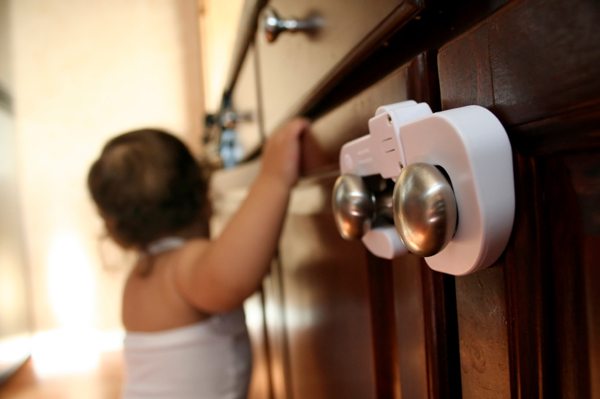
Take a look at common household things that may pose a risk and fix them up so that your baby won’t be harmed. The cords on blinds can be extremely dangerous for babies (and young children) because they can easily get tangled in them and be strangled. An easy baby proofing fix for this is to tie and secure the cords high up so that there is absolutely no risk of the baby being able to reach them. If you use something like Command Hooks, you won’t have any wall damage leftover once the cords can be let down. As far as wall sockets, you can purchase covers that can’t be removed by babies at places like Home Depot, or even Target. For cabinets, buy locks that only you or other adults in your home can open. A lot of these are made of strong magnets or adhesive, so you won’t need to worry about repairing the cabinet when you move out. You may also want to consider snap on locks for cabinets; they cause no damage and are easy for you to install. These kinds of locks can also be installed on refrigerators and toilets.
Don’t think that because your home is a rental you can’t make it safe for your baby! Follow the right steps and safety will be ensured.
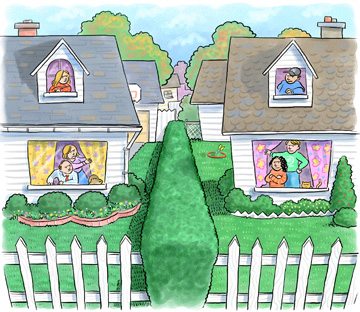 sic on too loud, or something along those lines. Before complaining to your property manager or a higher authority, talk to your neighbor, first! Your neighbor isn’t going to know that the music was bothering you unless you tell them; once they know that it’s bothering you, they can lower it. This same thing goes for you, too! Respect when your neighbors have a complaint and don’t let it happen again.
 was damaged and needed fixing, you’ll get the sum of your deposit back. But if you move out and left something broken and needing repair, it’ll be deducted from your deposit; as the saying goes: you break it, you buy it!
 Lights! Always turn lights off when you leave a room and when you leave your home. It may seem silly, but you’ll definitely see a drop in your bill if you start turning lights off instead of leaving them on all of the time. This same thing applies to ceiling fans! If no one is in the room, turn the fan off. For outdoor lights, you can get motion and light detecting lights that’ll only turn on at night time and when someone is there.

 Of course, the topic of financials is also highly important to consider. Much like car insurance, you can receive a discount on renter’s insurance if you pay it all in a lump sum for the entire year. The biggest financial plus about renter’s insurance is that it’ll cover your belongings if something happens to them. You won’t need to dish out a ton of money to replace whatever was damaged or stolen.